

Table of Contents
- Why Safe Supplements for Type 2 Diabetes Require Extra Caution
- How the FDA Regulates Dietary Supplements
- Supplements to Lower Blood Sugar: What the Evidence Shows
- Natural Alternatives to Metformin: Can They Replace Prescription Medication?
- Diabetes Supplement Safety Guidelines: Drug Interactions and Side Effects
- Supplements to Avoid with Type 2 Diabetes
- Third-Party Testing and Quality Control: How to Verify Supplement Safety
- Frequently Asked Questions
Last Updated: September 23, 2026
Why Safe Supplements for Type 2 Diabetes Require Extra Caution
Finding safe supplements for type 2 diabetes is harder than the label suggests. The FDA treats supplements as food, not drugs, so a product can reach the shelf without proving it lowers blood sugar or is safe to combine with metformin, insulin, or a sulfonylurea.
Three things make this category riskier than most:
- No pre-market efficacy review. Manufacturers do not have to prove a supplement lowers fasting blood glucose or HbA1c before selling it.
- Interaction risk is real. Herbs that thin blood, lower glucose, or stress the liver can compound the effect of prescription medication.
- Label accuracy varies. Independent testing repeatedly finds products that contain less, more, or something other than what the label claims.
How the FDA Regulates Dietary Supplements
The FDA regulates supplements under a post-market model: firms are responsible for safety and labeling, but the agency does not approve products before sale. Under the FDA's dietary supplement guidance, manufacturers must not make disease claims such as "treats diabetes" unless the product is approved as a drug, and they must notify the FDA before marketing a new dietary ingredient.
Supplements to Lower Blood Sugar: What the Evidence Shows
Supplements to lower blood sugar fall into a middle ground: some show modest effects in small trials, most show inconsistent results, and none replace prescribed therapy. Cinnamon, berberine, and chromium are the most studied, and the pattern is the same, small effects, variable study quality, and results that depend on dose, form, and population.
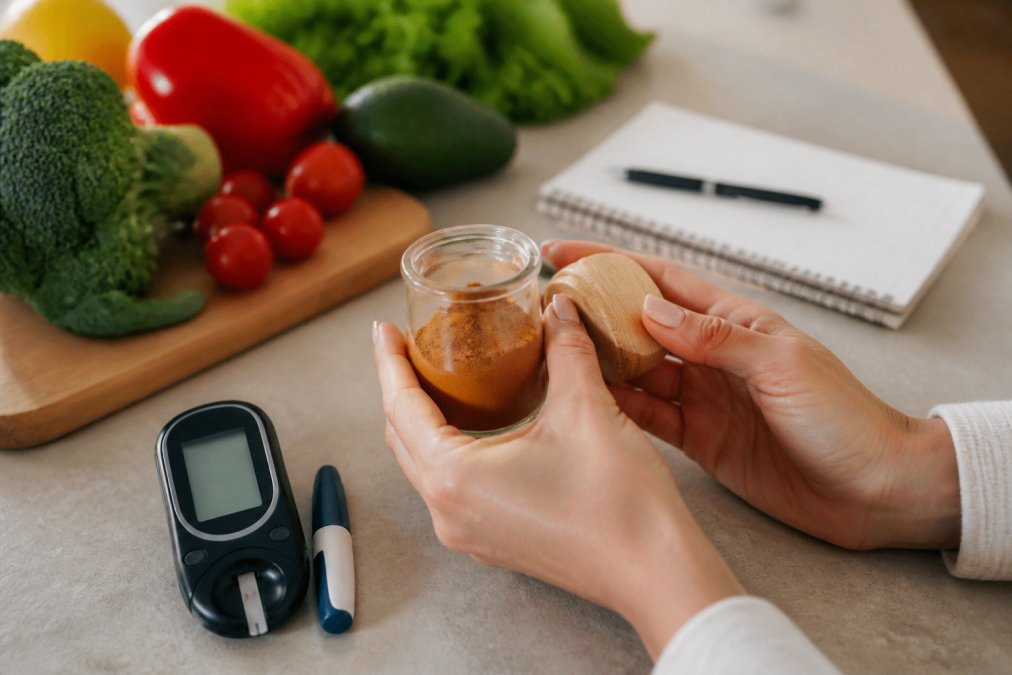
Cinnamon, Berberine, and Chromium: Clinical Trial Results
Berberine has the most consistent signal. Multiple small trials report reductions in fasting blood glucose and HbA1c comparable to, though smaller than, first-line oral medication. The catch: poor bioavailability, interactions with several drug classes, and it is not appropriate during pregnancy.
| Supplement | Evidence Strength | Typical Use | Key Caution |
|---|---|---|---|
| Berberine | Moderate, small trials | Fasting glucose, HbA1c | Drug interactions, pregnancy |
| Cinnamon | Mixed | Fasting glucose | Coumarin in cassia form |
| Chromium | Weak, contested | Insulin sensitivity | Kidney function |
| Alpha-lipoic acid | Moderate for neuropathy | Nerve symptoms | Hypoglycemia risk |
| Magnesium | Moderate if deficient | Insulin sensitivity | Kidney disease |
Natural Alternatives to Metformin: Can They Replace Prescription Medication?
No. Natural alternatives to metformin can support glycemic control alongside treatment, but none has been shown to replace it, and stopping metformin for an herb can push HbA1c back up within months. Metformin works through a liver and gut mechanism no supplement replicates.
Diabetes Supplement Safety Guidelines: Drug Interactions and Side Effects
Diabetes supplement safety guidelines come down to five habits: check interactions against your actual prescriptions, start one product at a time, watch for hypoglycemia, tell every prescriber what you take, and stop anything that causes a new symptom. The NCCIH's guidance on herbs at a glance is a useful starting reference, and the NIH LiverTox database tracks which botanicals have documented liver injury.
- List every prescription, over-the-counter drug, and supplement you take
- Check each new supplement against that list for interactions
- Start one product at a time, at the lowest dose, for two weeks
- Track fasting glucose and any new symptoms
- Share the full list with your pharmacist and prescriber
Drug-by-Drug Interaction Reference for Common Diabetes Medications
Most articles warn that "supplements can interact with your medications" and stop there, useless when you are holding a bottle. Below are the specific pairings that matter for the drugs most commonly prescribed for type 2 diabetes.
How to Run an Interaction Check Yourself
You do not need a database subscription for a first-pass screen. Three free resources cover most of it:
- The NIH LiverTox database for documented liver injury from specific botanicals.
- The NCCIH herb-drug interaction page for a plain-language summary of the major pairings.
- Your pharmacy's interaction checker, most chains run one at the counter and will flag supplement conflicts if you bring the bottle.
Side Effects to Watch For
Beyond interactions, the most common side effects of glucose-lowering supplements are gastrointestinal: berberine and chromium commonly cause stomach upset, cramping, or loose stools, especially in the first two weeks. Alpha-lipoic acid can cause nausea and, rarely, low blood sugar. High daily doses of cinnamon can stress the liver via coumarin; excess magnesium causes diarrhea. None are reasons to avoid a supplement outright, they are reasons to start low, go slow, and stop if something new appears.
Supplements to Avoid with Type 2 Diabetes
Certain supplements should be avoided with type 2 diabetes, particularly those marketed as "blood sugar cures" or sold without a full ingredient list. The riskiest are products spiked with undeclared pharmaceuticals, which the FDA has repeatedly found in so-called natural glucose formulas.
- Undeclared prescription ingredients. Some products have been found to contain actual diabetes drugs, which means you can overdose without knowing it.
- High-dose cassia cinnamon. Coumarin content makes daily high doses a liver concern.
- Bitter melon and gymnema without supervision. Both can drive glucose too low when combined with medication.
- "Detox" and "miracle cure" blends. Proprietary blends hide doses, and disease claims are a red flag for a product that has not been tested.
Third-Party Testing and Quality Control: How to Verify Supplement Safety
Third-party testing is the only practical way to confirm that what is on the label is what is in the capsule. The FDA does not test supplements before sale, so verification falls to independent certifiers and, ultimately, to you. Two certifications do most of the work, and they are not interchangeable.
How to Read a Certificate of Analysis
A certificate of analysis (COA) is the lab report behind a product. Any brand that claims third-party testing should be able to produce one on request. Look for:
- Identity, confirms the ingredient is what it claims to be, usually by HPLC or mass spectrometry.
- Potency/assay, the actual amount of active compound per serving, which should match the label.
- Contaminant screen, heavy metals (lead, arsenic, cadmium, mercury), microbials, and residual solvents.
- Batch number and date, the COA must correspond to the specific lot you bought, not a generic sample.
- Testing lab name, an independent lab, not the manufacturer's own in-house facility.
A Personalized Testing Protocol Using CGM Data
This step turns supplement decisions from guesswork into data. If you use a continuous glucose monitor (CGM), and many people with type 2 diabetes now do, you can test whether a supplement is actually doing anything for you, rather than trusting a study population that may not resemble you.
A simple protocol:
- Establish a baseline. Wear your CGM for two weeks with no new supplement, eating and medicating normally. Record your average glucose, time-in-range, and fasting morning readings.
- Add one supplement at a time. Introduce a single product at the dose you intend to use. Do not change diet, exercise, or medication during the test window.
- Run for two to four weeks. Most glucose-lowering supplements that work at all show a signal within this window. Shorter than two weeks and you are measuring noise.
- Compare the same metrics. Average glucose, time-in-range, and fasting readings against your baseline. A meaningful change is one you can see consistently, not a single good day.
- Wash out and decide. If there is no signal, stop the supplement. If there is, keep it and re-test periodically as your routine changes.
How to Verify a Product Before You Buy
- Look for a USP, NSF, or Informed Choice mark on the label.
- Request the certificate of analysis for the specific batch.
- Confirm the facility is GMP certified and FDA registered.
- Check the FDA warning letter database for the manufacturer.
- Buy single-ingredient products where possible, so you can isolate any reaction.
This is where BURTON HealthLabs draws its line. Our supplements are manufactured in the USA in a GMP-certified, FDA-registered facility and independently tested by a third-party lab, so the certificate of analysis is available rather than implied. When a customer asks how to verify our claims, the answer is the documentation, not the marketing copy.
Quality control is not a premium feature. It is the baseline. A supplement without third-party testing is an unverified dose of an unknown ingredient, and a supplement you cannot measure with your own glucose data is a decision you are making on faith.
Frequently Asked Questions
What is the best supplement to take for type 2 diabetes?
No single supplement is best for everyone. Berberine, cinnamon, and chromium have the most clinical trial evidence for supporting blood glucose levels. However, safe supplements for type 2 diabetes must be chosen based on your medications, kidney function, and overall health. Always consult your healthcare provider before starting any supplement, especially if you take metformin or insulin.
What supplements should a diabetic not take?
Avoid supplements that can cause hypoglycemia when combined with diabetes medications, such as bitter melon, fenugreek, and high-dose cinnamon. Also avoid any supplement with stimulants or unlisted ingredients. Certain herbs like ginkgo and garlic can increase bleeding risk if you take blood thinners. Always check with your pharmacist about drug interactions before adding anything new.
Can natural supplements replace metformin for blood sugar control?
Natural alternatives to metformin, such as berberine, may help support blood sugar regulation, but they are not FDA-approved to treat diabetes and should not replace prescribed medication. Clinical trials show modest effects compared to metformin. Stopping metformin without medical supervision can lead to dangerous blood glucose spikes. Use supplements as complementary support only under your doctor's guidance.
How does the FDA regulate dietary supplements for diabetes?
The FDA regulates dietary supplements as food, not drugs. Manufacturers are responsible for safety and labeling, but the FDA does not approve supplements before they are sold. This means quality varies widely. Look for third-party testing seals like USP, NSF, or ConsumerLab to verify that a supplement contains what the label claims and is free from contaminants.
Are there risks of drug-supplement interactions in diabetes management?
Yes. Many supplements can interact with diabetes medications. For example, chromium and alpha-lipoic acid may enhance the blood sugar-lowering effect of insulin or sulfonylureas, increasing hypoglycemia risk. St. John's wort can reduce the effectiveness of some medications. Always inform your healthcare provider about all supplements you take and ask about potential interactions.